
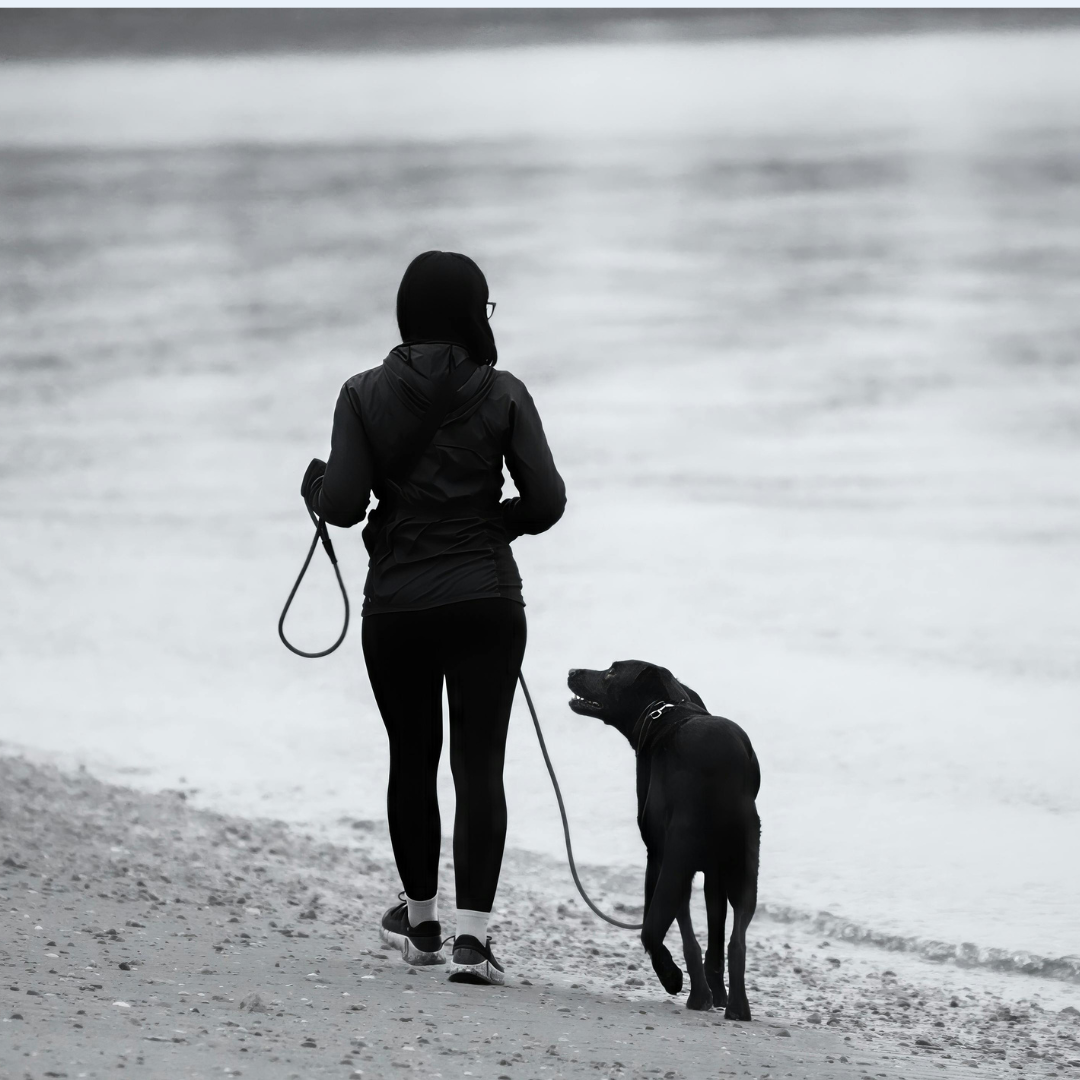
Reactive dog? Why training alone isn't always enough
Barking, lunging, crossing the road to avoid other dogs... if you've tried training and your dog is still struggling, you're not alone. Here's what reactivity really is, why training alone doesn't always stick, and what else might be going on for your dog.
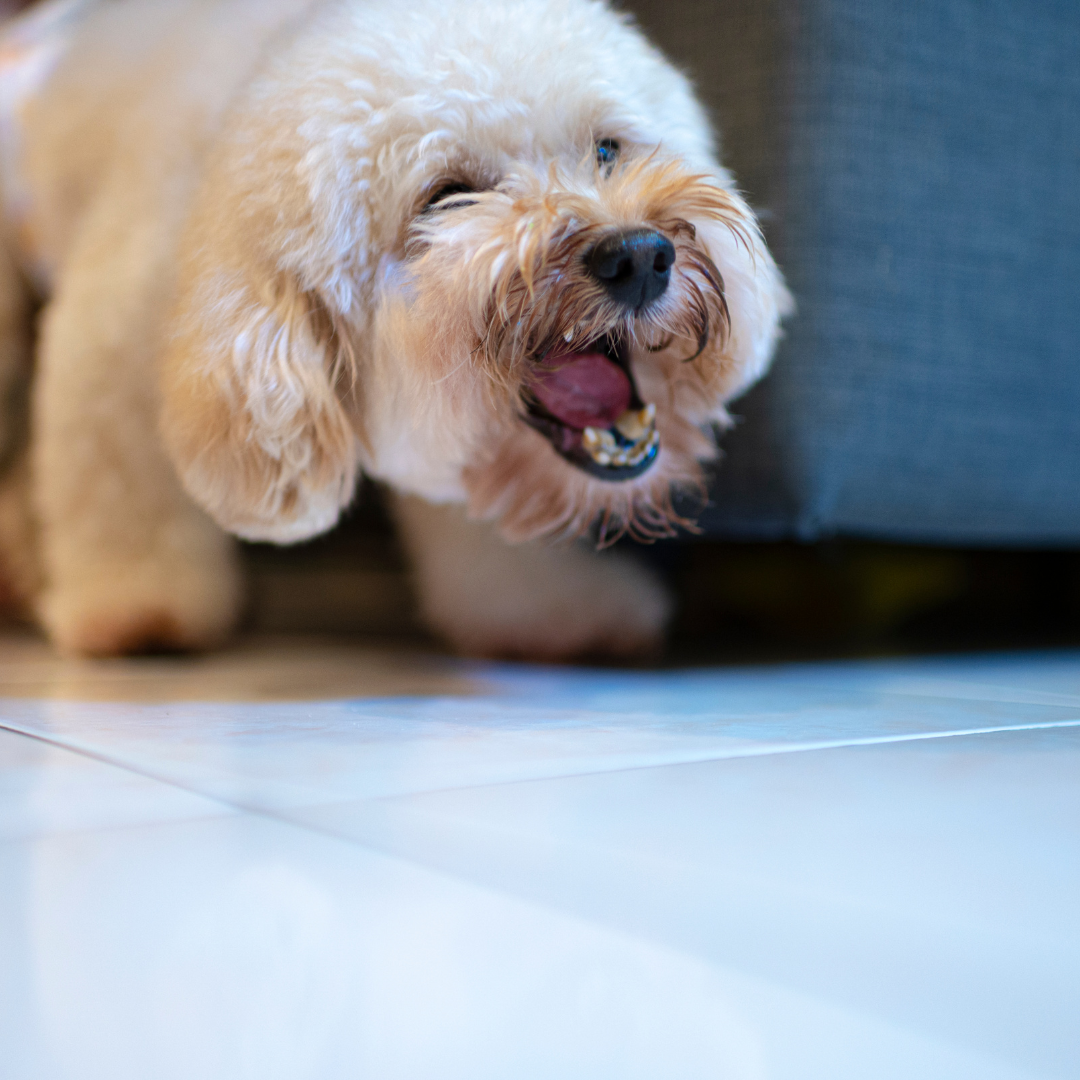
Why does my dog keep barking at noises?
Why does your dog keep barking at noises? Fear may be part of the picture, but pain is another possibility that’s easy to miss. Here’s what the research tells us about noise sensitivity, why reactions can grow over time, and when it’s worth speaking to your vet.
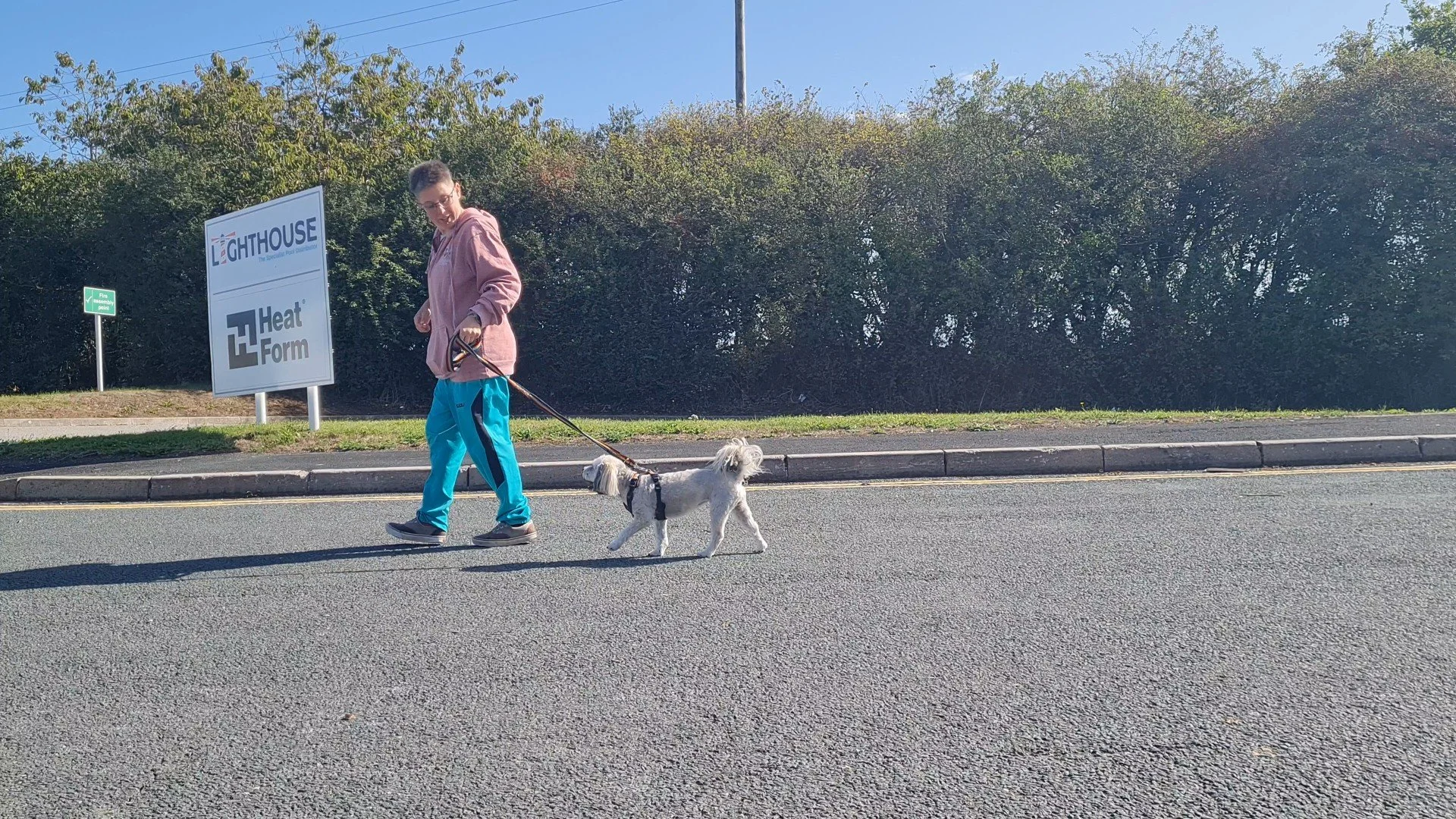
Watching Mabel move: What a 4-second video can tell you
What can you learn from just 4 seconds of video? I break down Mabel's walk and trot, teaching you to look at your own dog with curiosity. No jargon required!
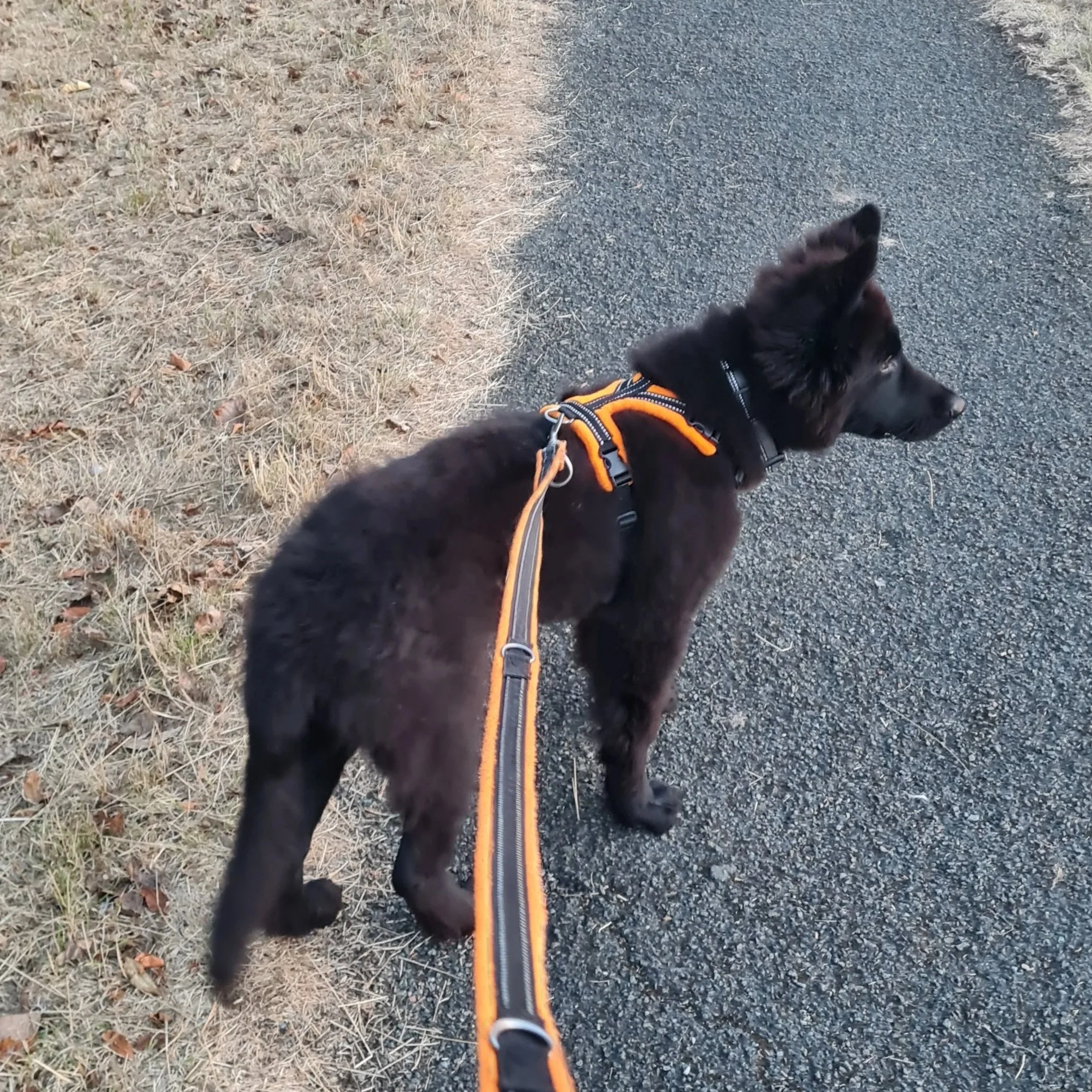
Why puppy socialisation is about more than confidence
We spend so much energy building confidence in our puppies, but confidence isn't always the problem. The real question is whether your dog thinks what they're seeing is their business. Here's why that distinction matters more than most socialisation advice, and how I'm using it to keep Ziva neutral around traffic.
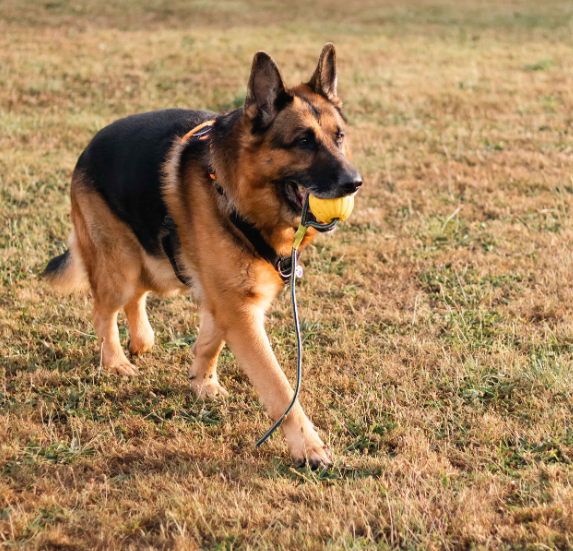
Walking is only part of the picture: Helping your dog stay strong as they age
Are daily walks enough to keep your senior dog strong? Walking is one of the best things you can do for your dog, but healthy ageing is about more than miles covered. Discover why strength, balance and confidence matter, and how simple, targeted exercises can help your dog stay active and capable for longer.
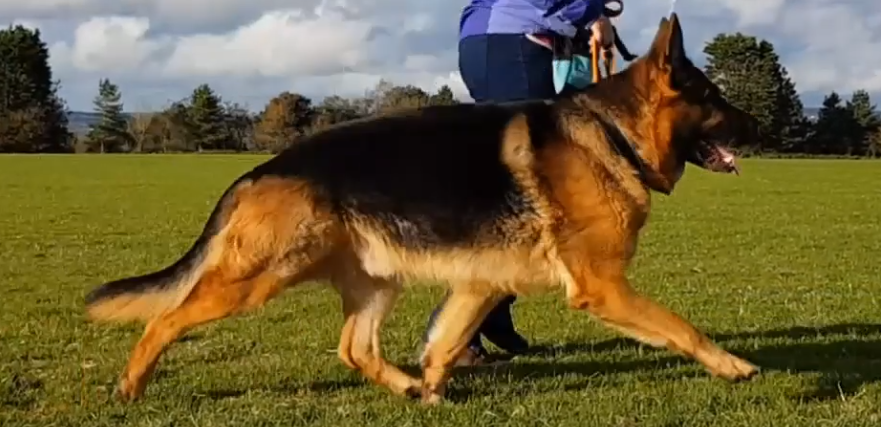
The connection between how your dog moves and how they feel
The way your dog moves has a direct and significant impact on how they feel emotionally. Through proprioception, the pain-behaviour connection, and the role of vagal tone in emotional regulation, this blog explores the science behind why a dog who moves well tends to feel well, and what that means for dogs of every age and ability

Why keeping your puppy lean matters more than you think
It's tempting to think a round, pudgy puppy is a healthy one. But for growing dogs, especially large breeds, carrying extra weight during puppyhood can set the stage for joint problems that last a lifetime. In this post, we're covering why lean beats chubby, why the calcium:phosphorus ratio in your puppy's food matters more than most owners realise, and how to actually check your puppy's body condition with your hands, not just the scale.

Bringing a new puppy home when you already have a dog
Bringing a new puppy home is exciting. Bringing them home to a dog who already lives there? That takes a little more thought. Here's everything I'd tell any owner about getting that first introduction right.

How much exercise does a puppy really need?
With so much conflicting advice online, it can be difficult to know how much exercise your puppy really needs. Is the 5-minute rule fact or fiction? In this blog, I take a look at what young puppies need to thrive, why rest is just as important as activity, and how to strike the right balance as your puppy grows
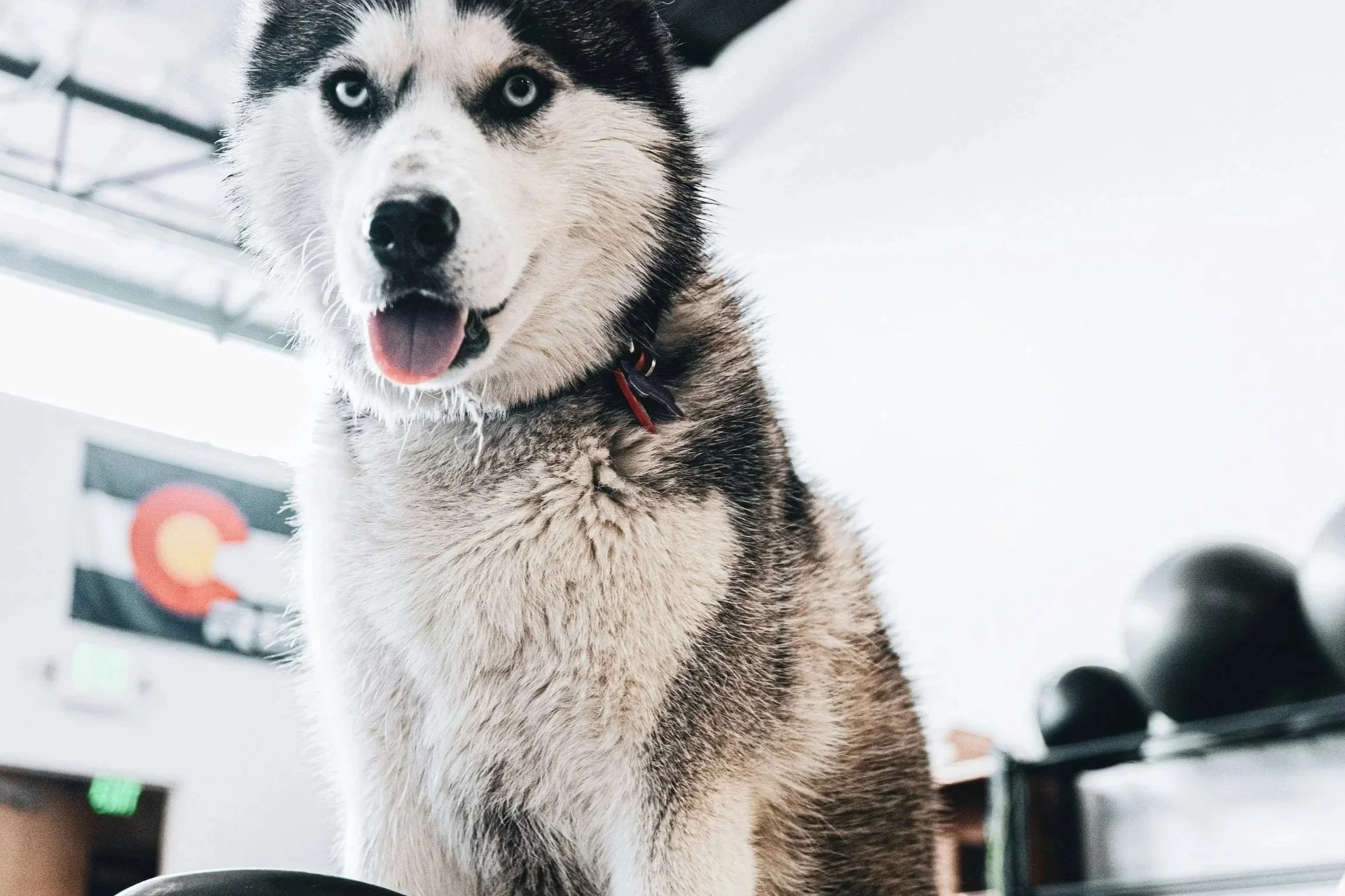
Can muscle strengthening help dogs with arthritis?
When a dog is diagnosed with arthritis, it can feel overwhelming. But rest alone isn’t the answer. Evidence shows that appropriate, controlled strengthening can help support joint stability, maintain muscle and keep dogs comfortable for longer. Here’s what safe exercise really looks like, and what to avoid.
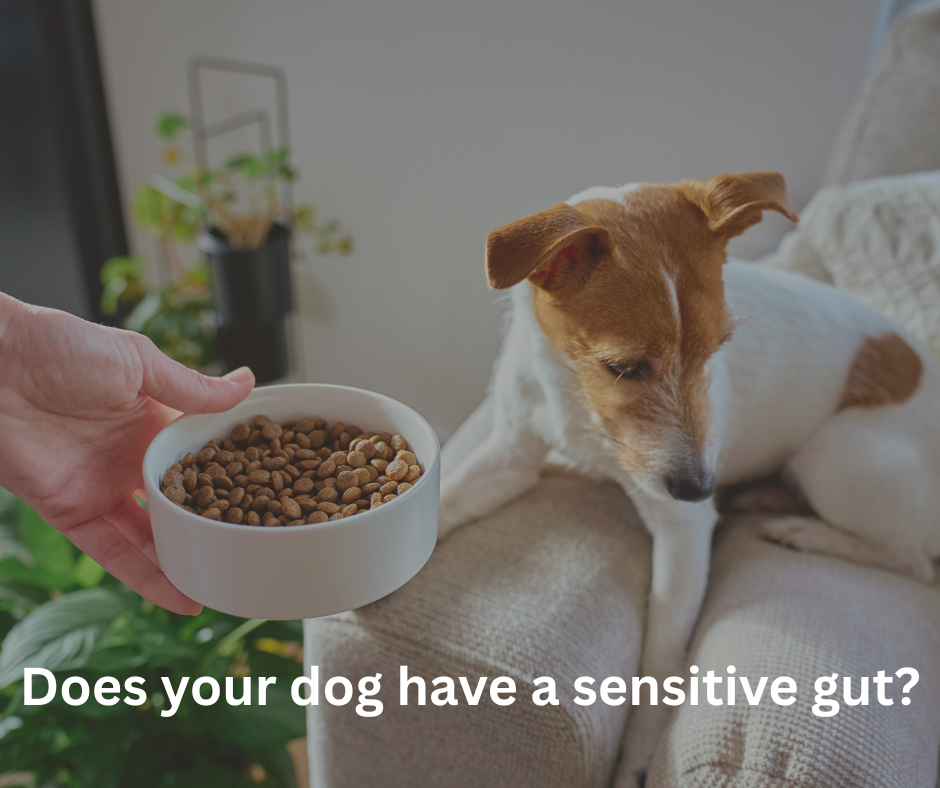
Does your dog have a sensitive gut?
Ongoing loose stools, reflux, fussy appetite or behaviour changes can all be signs of a sensitive gut. This guide explains elimination diets, appetite changes, and why consistency is key for recovery.
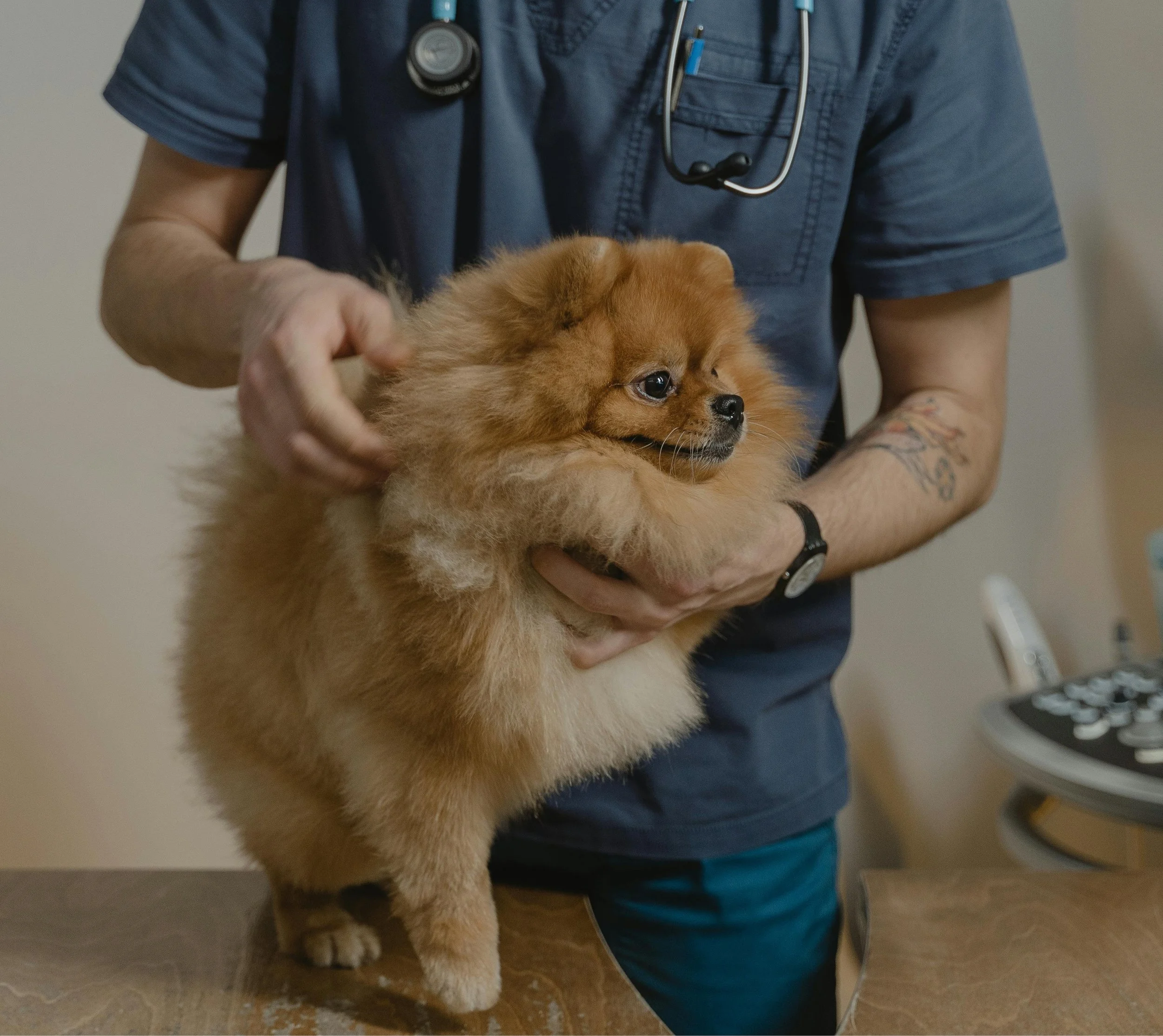
“The vet said my dog is fine” — why behaviour changes can still have a physical cause
Your dog’s behaviour has changed but a vet check suggests everything is normal. Learn how hidden pain and gut issues can affect behaviour in subtle ways.
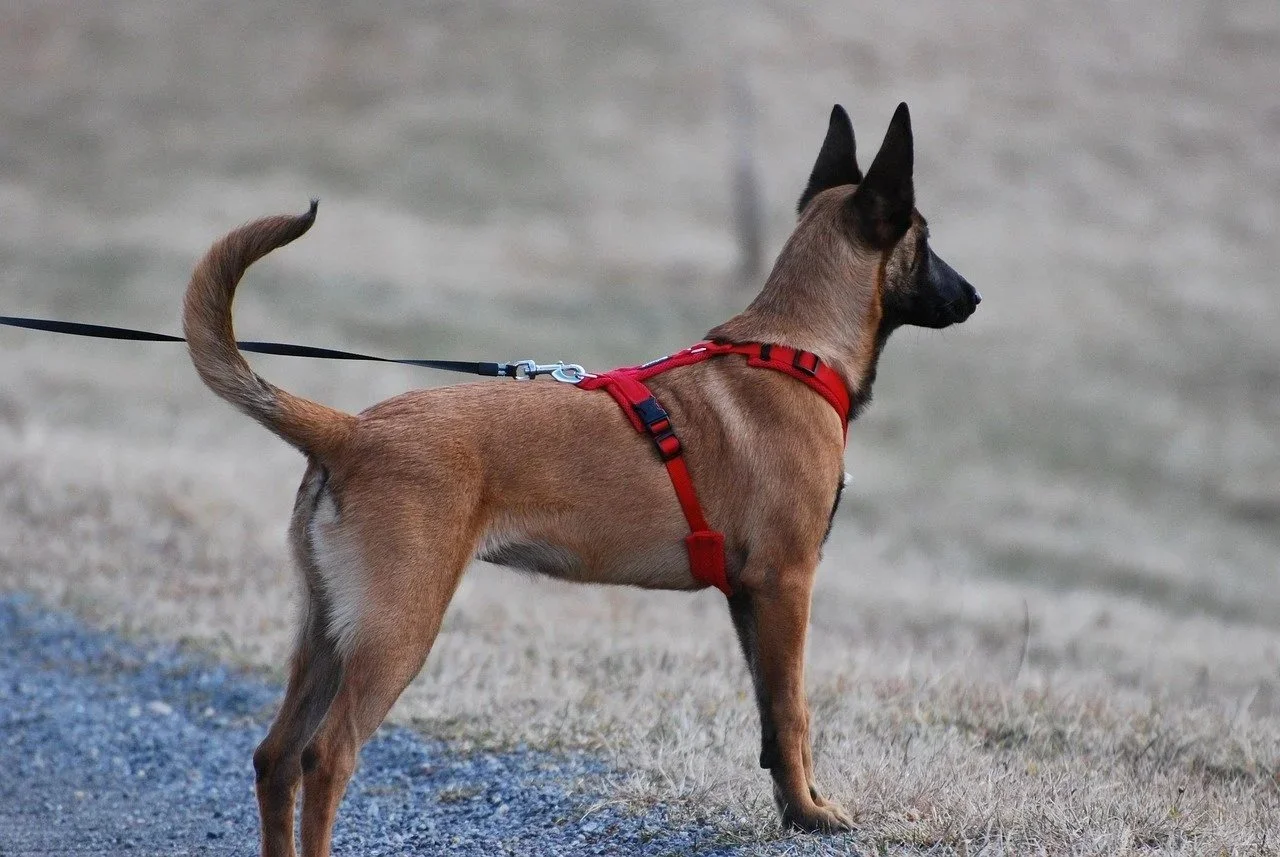
Why does my dog hate having their harness put on?
If your dog hates having their harness put on, it’s easy to think they’re being awkward or overexcited. But changes around handling and equipment can be early signs of physical or emotional discomfort. Learn what this behaviour could be telling you.
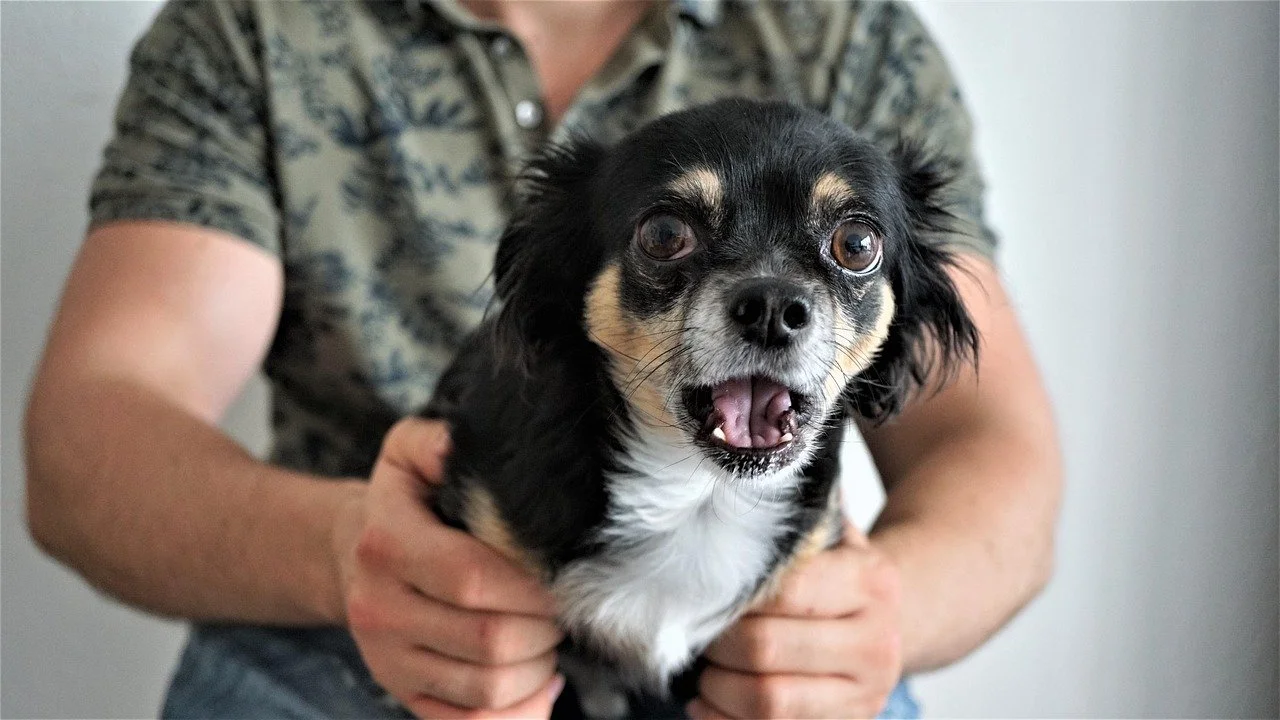
Why is my dog growling when I touch them?
If your dog has started growling when touched, it can feel shocking and confusing. Learn why this behaviour often links to physical or emotional discomfort , and what you can do next.