
“The vet said my dog is fine” — why behaviour changes can still have a physical cause
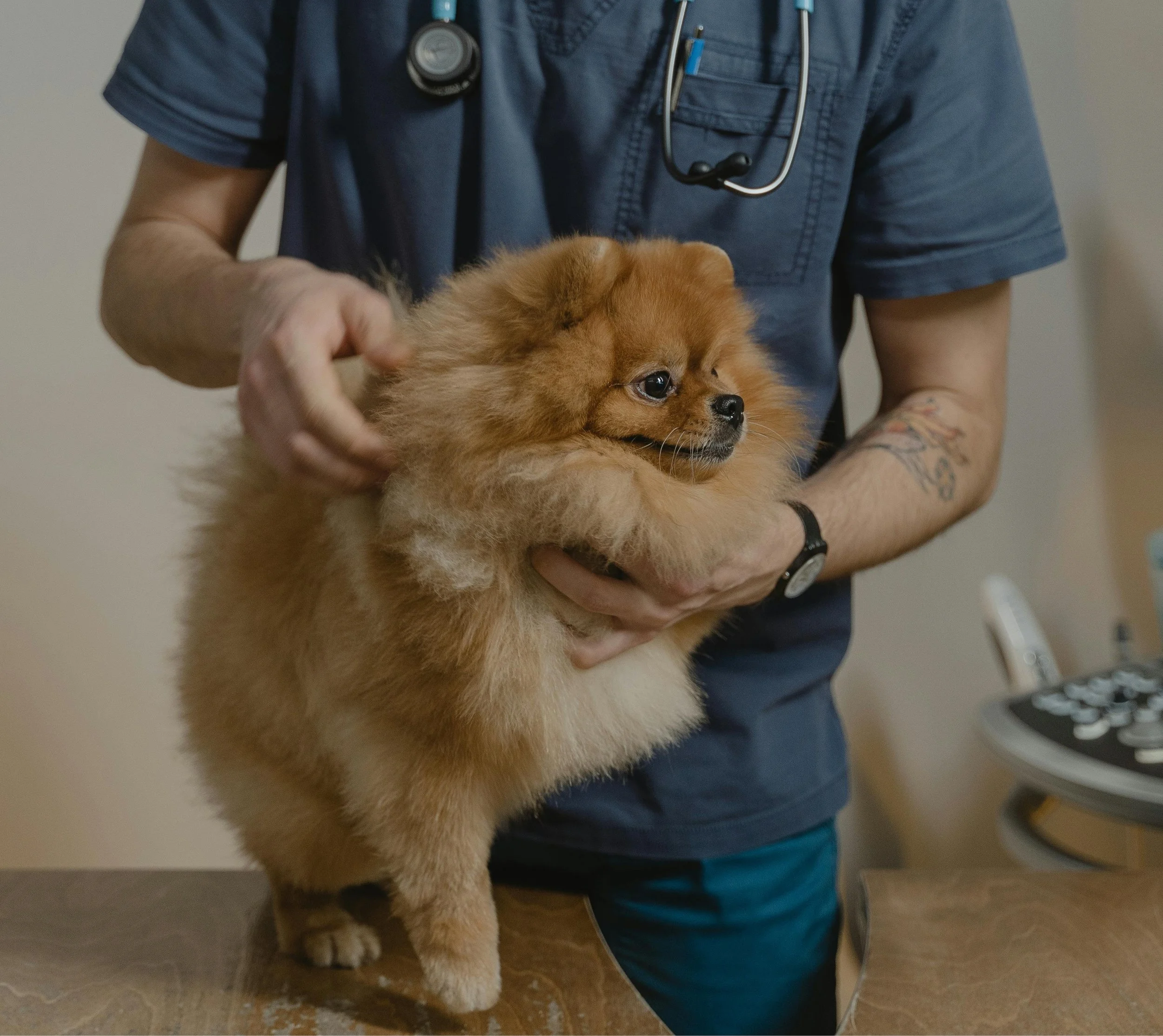
If you spend any time in dog behaviour forums, you’ll probably see this conversation again and again:
Person A: “My dog has suddenly started growling/snapping/reacting/refusing walks…”
Person B: “Your dog needs a vet check.”
Person A: “He had one last week and the vet and he’s fine”
To be fair, the initial advice is absolutely right. A veterinary check should be the first step when a dog’s behaviour changes. The problem is, just because nothing is found, it doesn’t mean nothing is wrong. When vets assess a dog for a behaviour change, they are usually looking for ‘big’ problems that are clearly diagnosable, such as:
• Infections
• Hormonal disorders
• Neurological disease
• Significant injuries
• Organ dysfunction visible on blood tests
And of course, these are important to rule out. But many dogs with behaviour changes are not dealing with obvious illness. They may be living with low-grade, ongoing discomfort that doesn’t show up on routine tests. This is where things get tricky and we have to be persistent, so let’s look at some of those physical issues, that are often subclinical and have no clear symptoms at all.
Chronic pain
Not all pain is obvious. Ongoing joint or muscular discomfort can look like:
• Increased reactivity
• Avoidance of handling
• Reluctance to go on walks
• Grumpiness when resting
• Sudden sensitivity to touch
Because dogs are experts at adjusting their bodies to cope with painful joints and muscles, these issues can be easy to miss in a short consult.
Chronic gastrointestinal (GI) discomfort
Digestive problems don’t always mean diarrhoea or vomiting. And as much as us dog folk love analysing and talking about their dog’s poo (ah, just me then is it?), dogs can actually have ongoing gut inflammation and still produce completely normal looking ‘output’. In fact, this gets even harder to spot with some diets (including highly digestible or raw diets) which makes their poos appear firm and healthy despite underlying irritation.
In terms of behaviour, gut discomfort has been linked to:
• Irritability
• Poor focus
• Restlessness
• Changes in appetite or food motivation
• Increased sensitivity to stress
And the gut and brain are closely connected (often called the gut–brain axis), so digestive discomfort can have a huge impact on behaviour.
Why these problems don’t always show up at the vet
This isn’t about vets “missing things” or not caring. It’s about the limits of what can be detected quickly and easily.
Subclinical (not yet obvious) issues may:
• Not show on standard blood panels
• Fluctuate from day to day
• Require more detailed orthopaedic, pain, or GI investigations
• Be influenced by stress and environment as well as physical disease
A dog who trots into the consultation room wagging their tail may not show the full picture of how they move at home or how they cope day-to-day. And add into the mix that some of the behavioural changes can be a result of physical or emotional issues (or both!), it can be a confusing picture.
“But the vet said my dog is fine…”
If you’ve heard this, it doesn’t mean you imagined the behaviour change.
It often means:
✔️ Nothing serious or immediately dangerous was found
❗ But more subtle discomfort hasn’t been ruled out
This is where collaboration between vets, behaviour professionals, and observant owners becomes really important.
What can you do if you think there’s an underlying health issue?
• Keep a diary of behaviour, sleep, appetite, movement and toilet habits
• Film your dog walking, getting up, and resting
• Ask your vet about pain trials, physio referral, or further GI investigations if appropriate
• Work with a behaviour professional who understands the link between physical comfort and behaviour
Remember! Not only is behaviour information, it’s your dog’s way of communicating. When it changes, it’s often your dog’s way of saying, “Something doesn’t feel right,” even if it’s hard to see.