
Why is my dog growling when I touch them?
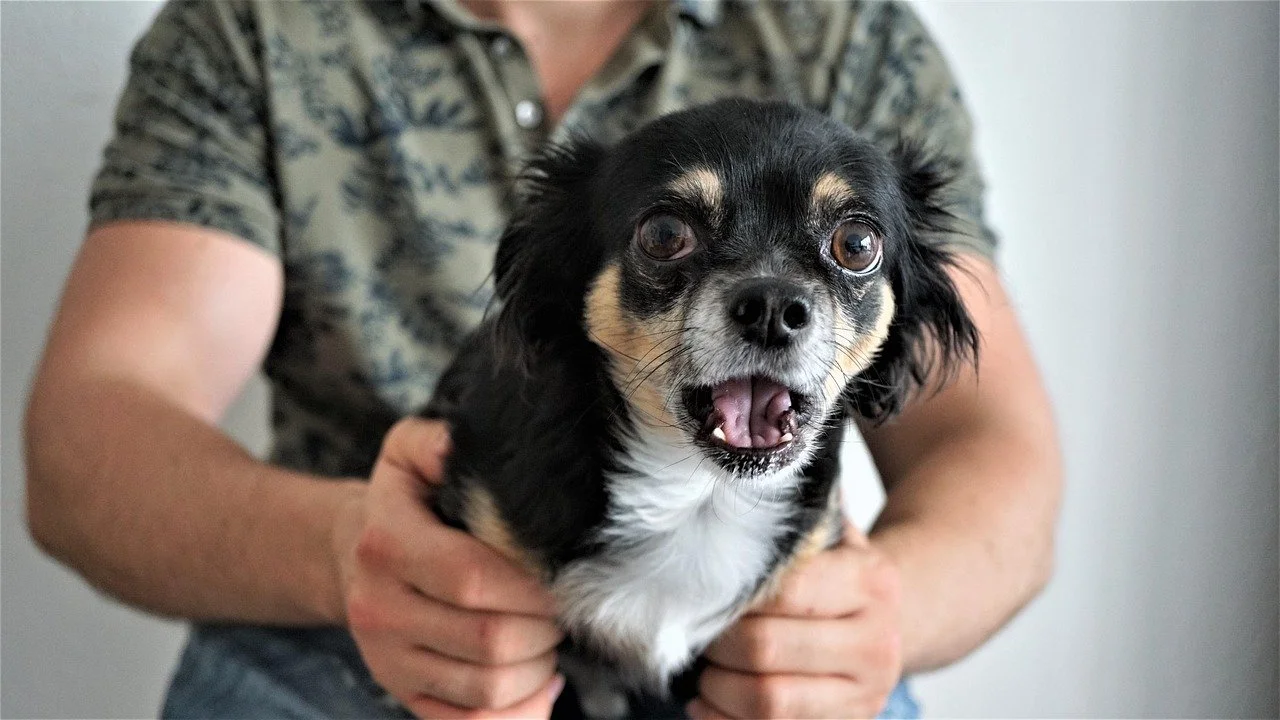
It can be a huge shock when it happens. Your sweet dog who’s normally so cuddly suddenly growls at you. You might feel hurt or even angry. A hundred thoughts race through your head:
“My dog hates me!”
“What if he bites a child?”
“How dare he growl at me! I give him everything!”
“He’s never done this before — he loves being stroked!”
“I need to let him know who’s boss and tell him he’s not allowed to do that.”
It’s absolutely normal to feel this way in the moment. But once the initial emotion settles, it helps to look a little deeper.
It’s communication
Let’s think about it. Why would a dog growl and threaten to “bite the hand that feeds them”? You provide their food, their comfort and see to their daily needs. They’ve always seemed happy. So, what’s changed?
If we reframe a growl as communication, it makes more sense and we start to take it less personally. A growl simply says: “I’m not comfortable with being touched right now.”
And actually, that’s fair enough.
Humans don’t enjoy touch all the time either. Some people don’t like it most of the time. Many don’t enjoy hugs. I’m certainly not a hugger. But context matters. With the right person, in the right place, it can feel fine.
Let’s add another layer of detail. What if you’re feeling irritable, anxious, or in pain — like a toothache or a trapped nerve in your back? Maybe your skin feels more sensitive. Perhaps the lack of control over being touched makes you feel vulnerable or agitated.
Now imagine never knowing whether someone approaching you is going to touch you or not. How would you feel as they got closer? Like a pot about to boil over?
Some reasons a dog may growl when touched
Physical discomfort or pain – this is one of the most common reasons, but it’s easily missed because the signs can be subtle. Sometimes these signs are even overlooked in a veterinary exam (that’s a topic for another blog post!).
Startle or sensory changes – dogs who are ageing or feeling unwell may startle more easily when touched, especially if they didn’t see your hand coming.
Emotional stress – changes in routine, environment, visitors or other pressures can lower a dog’s overall tolerance. Touch that once felt fine may now feel like “one thing too many.”
Previous learning – if your dog has experienced discomfort during handling before, maybe during grooming, vet visits, or after an injury, they may start to anticipate that touch leads to something unpleasant (and so we get that boiling pot again).
But my dog chose to come to me!
Yup, dog behaviour can be confusing, but put yourself in their place. You want to be close to the person you love, so you jump on their lap. Except all the time you’re on their lap you’re never sure if you’re suddenly going to be scooped up and put on the floor. It might take you by surprise, especially if, for example, you’ve got sore joints.
And this is often what’s happening when a dog’s behaviour escalates. It’s a build-up of emotion because they’re not sure if they are going to be touched, combined with experiencing some kind of physical or emotional discomfort. This is why it’s so important that, once our own strong feelings about the growl passes, we need to ask why it happened in the first place..
What you should not do
No guilt or judgement if you’ve already reacted, there’s a lot of conflicting advice out there. But from now on, it’s important not to tell your dog off for growling.
Remember, the growl is communication. If you punish a dog when they’re already feeling vulnerable, you can increase their negative emotions and remove their safest way of asking for space. Next time, they may feel they have no option but to skip the growl and move straight to a snap or bite.
And it’s important to know that dogs do not want to bite people. It’s not in their interests, it’s a last resort.
What you can do
Gather information – think about what was happening at the time:
· Where were you touching?
· Was your dog sleeping or startled?
· Has anything else changed recently — appetite, movement, sleep, behaviour?
· Have there been recent stresses or changes in the household?
Reduce pressure – for now, avoid touching areas that seem sensitive and give your dog more choice and space, especially when they’re resting. This helps them feel safer while you work out what’s going on.
Speak to your vet – explain your concerns and share any observations you’ve gathered.
Get the right support – if your dog’s behaviour has changed and you’re not sure whether physical or emotional wellbeing could be part of the picture, support that looks at the ‘whole dog’ can help you make sense of things. You can learn more about my programme designed to help dogs and their people here: Dog Behaviour & Wellbeing Programme