

Behaviour & Movement Assessment for Dogs in Plymouth
A structured assessment designed to explore how posture, movement and physical comfort may be influencing your dog’s behaviour.
Many dogs show subtle signs of discomfort or compensation long before obvious pain becomes apparent. A change in posture, a shortened stride, or an uneven weight shift can impact not only physical health but also behaviour and emotional wellbeing.
My Behaviour & Movement Assessment service helps you gain clarity and confidence, whether you’re concerned about changes you’ve noticed or simply want to be proactive in supporting your dog’s comfort.
Why book an assessment for your dog?
This service can be especially valuable if :
✅ Your dog shows occasional lameness, stiffness, or reluctance to exercise
✅ Your dog displays behaviour changes such as irritability, reactivity, or reduced tolerance to handling
✅ Your dog competes in sports or works actively and you’d like to spot issues early
✅ Your dog is getting older and needs help staying comfortable and mobile
✅ You want a structured overview to support conversations with your vet
Even subtle movement issues can create a cycle of discomfort, reduced confidence, and behavioural challenges. By identifying patterns early, you can make informed choices about training, exercise, and veterinary care.
What’s included?
✔️ Consultation in rented indoor space or in your home, depending on what’s most appropriate
✔️ Full discussion of history, activities, behaviour, and any concerns
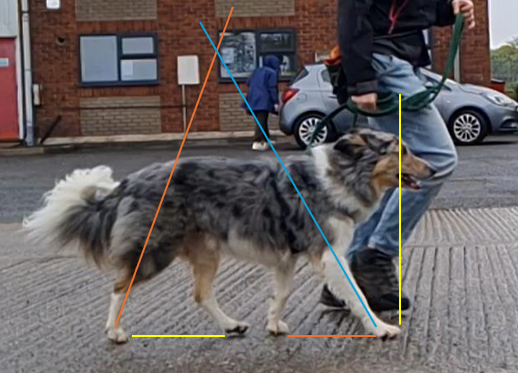
✔️Slow motion video analysis of gait
✔️ Detailed static posture assessment
✔️ Transitions (sit-to-stand, down-to-stand)
✔️Written summary report within 72 hours and access to a folder you can share with your vet containing relevant videos and photos
✔️Practical movement and conditioning recommendations (if appropriate)
Cost – £145
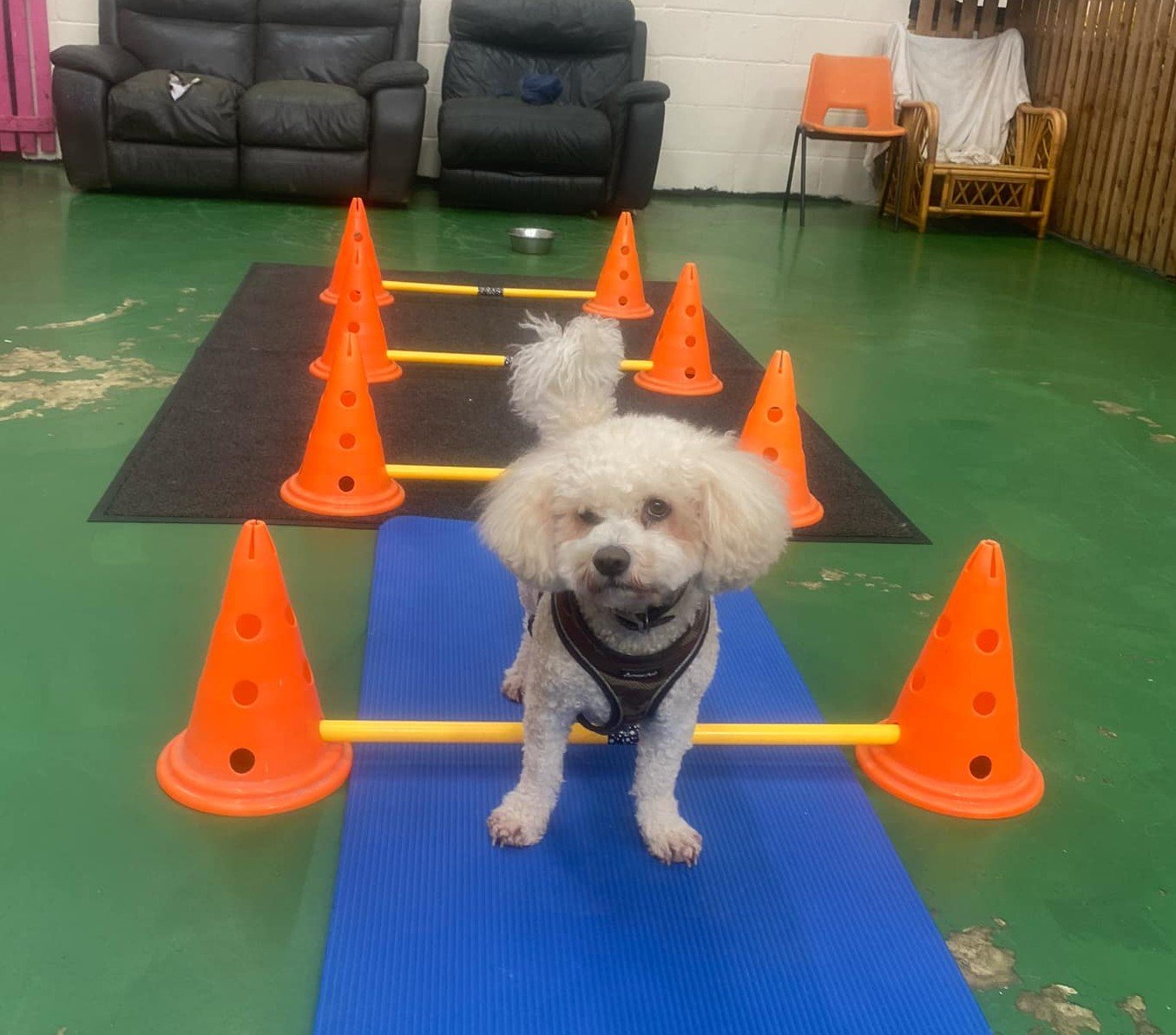
“Marley and I attended this [Active Ageing] workshop today. Marley is 11 years old and doing great. I wanted to learn more about how I can help Marley as he gets older. I just lost a 16 year old cockerpoo ❤️🐾❤️ and really want to learn how I can help my Marley as best as I can. Tracey was amazing. Her knowledge is immense and Marley had such a great time. He’s clueless that he’s moving into the older gent zone and approached every activity with enthusiasm. The workshop made me think about how much we don’t know and how much more we can do for our dogs… without huge expense, just knowledge. Thanks so much for this workshop. I’m looking forward to attending more. Marley’s health and well being is my priority. Thanks for sharing your knowledge 🙏”
Working alongside your vet
This assessment does not diagnose injury or disease.
If I observe patterns that may indicate discomfort or underlying pathology, I will advise veterinary assessment before any conditioning programme begins.
FAQs
-
It’s a structured consultation to observe how your dog moves, stands, sits, and lies down. By assessing gait and posture, I can identify patterns of compensation, stiffness, or discomfort that may be affecting mobility, behaviour, or overall wellbeing.
-
If your dog is slowing down, showing subtle changes in movement, seems reluctant to exercise, or displays behaviour changes like irritability or reactivity, an assessment can help clarify what’s happening. Even if you haven’t noticed anything obvious, this service is useful for proactive checks, especially in senior dogs, active dogs, and those with a history of injury.
-
No. My assessments are non-diagnostic and do not replace veterinary care or physiotherapy. If I see signs that require further investigation, I will always recommend you consult your vet. My role is to help you gather information and support your dog’s comfort alongside your veterinary team.
-
I’ll ask about your dog’s history and any concerns you have. I’ll then observe and video/photograph your dog walking, trotting, and changing position. For online sessions, you’ll share video clips and photos for review. Afterwards, you’ll receive a written summary with observations and next-step recommendations.
-
No restraint is used. If I need to gently feel muscles or joints, it’s always with your dog’s consent and comfort in mind. If your dog is worried or uncomfortable, we’ll adapt or skip the hands-on part.
-
Yes. Many dogs compensate subtly for discomfort long before they limp. Early assessment can help you adjust exercise, prevent injury, or understand behaviour changes before they escalate.
-
Yes. Your written report will include suggestions for appropriate activities, adjustments to daily routines, and whether any further professional input is recommended. If your dog is a good candidate, I may suggest a tailored fitness plan as a next step.
-
If I observe anything suggesting pain, injury, or a medical issue, I’ll recommend that you contact your vet for further assessment before starting any new exercise or conditioning programme. With your consent, I can also provide a summary report to share with your veterinary team.
Many behaviour changes in dogs can be linked to underlying discomfort, posture changes or early musculoskeletal strain. A structured movement assessment can help identify patterns that may warrant veterinary review, giving you clarity and confidence about your next steps.
Following assessment, you may choose to:
Begin a proactive conditioning programme
Receive recovery-phase conditioning support (where veterinary restrictions are in place)
Or use the report to guide discussion with your veterinary surgeon